What Pest Control Solutions Are Available for Schools in North York?
Schools require pest control North York leaders can trust because classrooms, cafeterias, gyms, libraries, and storage areas all present different exposure points. In North York, ON, that challenge is increased by dense urban surroundings, a mix of residential, commercial, and institutional properties, and seasonal pressure that can force pests toward warm indoor spaces. For schools, the goal is not simply to remove pests after they appear; it is to build a effective school pest management program that promotes health and safety, protects learning time, and stays safe for students and staff.
For administrators, custodians, and facilities teams, pest control in educational settings usually means integrated pest management, or IPM: a prevention-first approach that includes inspection, monitoring, exclusion, sanitation, and targeted treatment only when needed. This is especially important for elementary schools, secondary schools, and daycares, where children move through spaces quickly and where discreet service and documentation matter just as much as the treatment itself.
Why Schools in North York Need Specialist Pest Control
North York schools experience distinct conditions that make preventive pest control more important than in many other buildings. Many campuses sit near major corridors, parks, transit routes, or multi-unit housing, which can raise pest pressure and create more opportunities for entry points. In a neighbourhood with both older and newer buildings, structural gaps, utility penetrations, and service entrances can allow pests to move in unnoticed. That makes exclusion and routine inspection essential parts of risk management.
IPM is the best fit for schools because it focuses on long-term control instead of repeated broad spraying. A strong IPM program is built around sanitation, facility maintenance, and planned inspections. It helps staff identify pest activity early, reduce harborage areas, and correct conditions that attract rodents, cockroaches, ants, bed bugs, and wasps.
Student safety are the main priorities. School leaders need solutions that are safe for students, compatible with school sanitation routines, and documented well enough to support compliance. In practical terms, that means a provider should understand the pace of a school day, how to work around custodial coordination, and how to deliver discreet service without disrupting classes, lunch periods, or parent pick-up.
Schools also need a pest control partner that understands food storage, waste bins, and cleaning patterns. A cafeteria or staff room with poor sanitation practices can quickly become a source of pest activity. Preventive pest control is not only about treating insects or rodents; it is about making the whole facility less attractive to them.
Frequent Pests Seen in Schools
Several pests show up repeatedly in schools across North York, ON. The primary are ants, rodents, cockroaches, bed bugs, and wasps. Each pest requires a unique treatment plan, and every pest can impact operations in a different manner.
Ants often arrive in kitchens, staff rooms, and areas near sinks or snack storage. They are usually attracted by crumbs, spills, and accessible food storage. Even a small infestation can spread quickly if sanitation or exclusion is weak.
Rodents are a major concern, especially during colder months in the Greater Toronto Area when mice and rats look for warm indoor shelter. Schools with access points around doors, pipes, vents, or loading areas are especially vulnerable. Rodent activity can affect classrooms, storage rooms, and mechanical spaces, and it often requires bait stations, monitoring traps, and close follow-up.
Cockroaches multiply in warm, hidden harborage areas with access to food and moisture. They can be difficult to eliminate because they reproduce quickly and often remain hidden in cracks, service spaces, and food prep areas. Schools need targeted application and sanitation corrections to get control.
Bed bugs can arrive in backpacks, clothing, upholstered furniture, or shared items. They are not usually tied to poor cleanliness, which makes early detection especially important. In a school environment, a quick, discreet response helps reduce anxiety and limits spread.
Wasps become more active in late summer, especially around outdoor play areas, rooflines, and building edges. In North York, wasp activity can create problems for recess, sports, and outdoor pickup zones. Nest removal and preventive inspection are often needed before the school year begins and again as seasonal pressure rises.
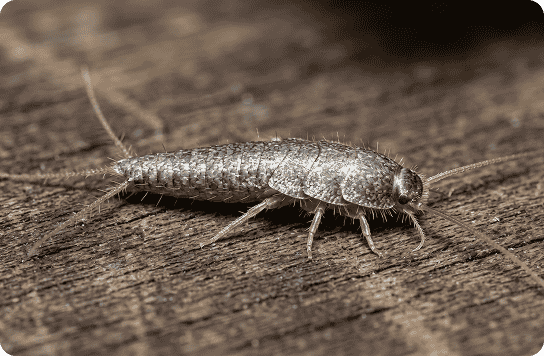
Inspection and Observation Services for School Facilities
Thorough pest control starts with a detailed pest inspection. For schools, that inspection should cover classrooms, kitchens, cafeterias, storage rooms, basements, janitorial closets, boiler rooms, loading docks, exterior walls, and waste areas. The purpose is to find current pest activity, locate likely entry points, and document conditions that may lead to future problems.
During inspection, technicians often look for droppings, gnaw marks, grease trails, nesting materials, moisture issues, damaged seals, and other signs that rodents or insects are active. They also assess structural gaps, utility penetrations, worn weather stripping, and other weaknesses that support pest movement. This is where school pest management becomes forward-looking instead of reactive.
Monitoring traps are another core service. These tools help build baseline pest activity and track whether a treatment plan is working. In schools, traps can be placed in strategic areas where they won’t interfere with students or staff. For rodents, bait stations may be used in secure exterior or utility locations, while insect monitoring can help reveal hidden issues before they turn into full infestations.
Many providers also prepare activity reports after each visit. These reports matter because schools need documentation that can support internal facilities processes, compliance, and communication with administrators. A solid report should note findings, pest activity, treatment actions, recommended follow-up, and any sanitation or exclusion work that is still needed. For busy schools, that record becomes a practical management tool rather than just a service receipt.
Preventive-Style Pest Control Strategies for Schools
The most effective approach for schools is preventive pest control rather than waiting for emergencies. A carefully planned program combines structural sealing, sanitation plans, waste management, and seasonal maintenance to lower pest pressure all year long.
Exclusion is the process of sealing entry points so pests cannot easily get inside. This includes repairing gaps around pipes, doors, vents, windows, and utility lines. In older North York school buildings, exclusion is often a major priority because structural gaps and wear-and-tear can create repeated access routes for rodents and insects. Exclusion delivers long-term risk reduction and helps keep treatment needs lower.
Sanitation plans should be part of every school’s pest strategy. That means consistent cleaning around food storage, lunchrooms, classrooms with snacks, and shared common areas. Staff should also know how to reduce crumbs, spills, and clutter that create harborage areas. When sanitation is thorough, pests have less reason to stay.
Waste management is particularly important in schools with busy cafeterias, gym events, and after-school programs. Waste bins should be emptied on schedule, lids should fit properly, and recycling areas should be kept clean. Outdoor dumpsters and compactors should be monitored because they can attract rodents and insects, especially if there is food residue or overflow.
Seasonal maintenance helps schools prepare for expected changes in pest pressure. In colder months, rodent activity often increases as pests move indoors for shelter. In late summer, wasps may become more visible around entrances and outdoor spaces. Routine seasonal checks allow the school to adjust before minor issues become major disruptions.
Preventive pest control is most successful when the school, custodial team, and provider work as a coordinated group. That means reviewing food storage practices, checking waste bins, maintaining exterior grounds, and updating the inspection schedule as building use changes throughout the year.
Control Methods for School Settings
In educational settings, treatment must be successful and carefully planned. Specialists typically use low-toxicity treatments first, paired with non-chemical methods whenever possible. The objective is to manage pests while keeping the environment secure for students, staff, and visitors.
Low-toxicity treatments may include materials designed for targeted use rather than broad application. These products are selected to reduce exposure and promote a safe learning environment. They are often paired with inspection findings so the treatment plan addresses the actual source of pest activity.
Targeted baiting is often used for rodents and certain insects, especially where a precise application is more effective than wide-area spraying. Bait stations and gel baits can be placed in carefully selected locations to minimize risk and improve control. This approach works well in kitchens, utility rooms, and areas with repeat pest activity.
Non-chemical methods include trapping, sealing, vacuuming, sanitation improvements, and physical removal. These methods are especially valuable in schools because they support compliance and limit unnecessary exposure. Non-chemical control also fits well into IPM programs where prevention is the initial defense.
Safe application is essential. Any treatment should be planned around school operations, using the minimum effective method and the correct placement. Technicians should explain what is being done, why it is being done, and how long any restricted access or follow-up steps may last. The best providers focus on targeted application and clear communication instead of generic service.
For school administrators, the key question is not “What product is being used?” but “How does the treatment plan solve the problem while remaining safe for students and staff?” That mindset keeps the focus on outcomes, not just chemicals.
How Pest Management Operates Around Students and Staff
https://caledon-ondc176.novacrestiq.com/posts/how-much-time-does-pest-control-treatment-take-in-north-yorkPest control in schools needs to be subtle, organized, and timed to limit disturbance. That is why service after hours is so widely used in educational settings. Evening, early morning, weekend, and holiday visits allow technicians to check, manage, and log without disrupting classes or after-school activities.
Quiet treatments matter because pest issues can cause worry among students, parents, and staff. A good provider operates quietly, keeps equipment out of public view when possible, and avoids unnecessary alarm. It is especially important in elementary schools and daycares, where communication must be calm and age-appropriate.
Communication procedures should be clear before any service begins. School leaders need to know when technicians will arrive, which areas may be affected, and whether any rooms need temporary access restrictions. Custodial coordination is also essential, because cleaning schedules, waste collection, and room access can affect both treatment and lasting results. The more the provider works with custodial staff, the stronger the outcome.
Because schools are high-traffic places, emergency service may also be needed. A unexpected rodent sighting in a cafeteria or a wasp nest near a play area can require prompt response. A provider with emergency service capability can respond quickly, assess the situation, and put a short-term solution in place while a full treatment plan is prepared.
Conformity, Records, and Institutional Policies
Educational institutions in Ontario are expected to ensure safe facilities, and pest control is part of that responsibility. Ontario regulations and local school safety expectations make documentation especially important. A strong provider should understand the compliance side of service, not just the technical side.
That means storing detailed documentation of inspection findings, treatment steps, products used, service dates, follow-up recommendations, and any changes made to the IPM plan. This kind of record keeping supports internal facilities processes and helps school leaders show that they responded appropriately to pest activity.
Many schools maintain IPM plans that outline responsibilities, service frequency, treatment thresholds, communication steps, and response procedures. These plans are useful because they give custodians, administrators, and service providers a common framework. When a pest issue arises, the team already knows what to do, who to inform, and how to document the event.
Parent communication can also be part of policy. If an issue affects classrooms, food areas, or common spaces, families may need a clear and factual explanation. That communication should be concise, correct, and reassuring. It should explain the steps being taken, any access restrictions, and whether follow-up will be needed. Good parent communication reduces confusion and builds trust.
In practice, compliance is not only about meeting a rule. It is about creating a consistent process that keeps the school prepared, accountable, and organized. Documentation is what turns pest control from a one-time visit into a managed system.
Choosing a Pest Control Provider in North York
Not every provider is the right fit for schools. When evaluating pest control North York companies, school leaders should look for licensed technicians, school experience, service guarantees, and strong local response time. Those factors matter because educational facilities need specialized service that is reliable and easy to coordinate.
Licensed technicians should be able to describe their processes clearly, demonstrate understanding of school pest management, and recommend solutions that fit an IPM framework. Licensing is the first step, not the end point, because schools also need professionals who understand how to work around children, staff, and daily operations.
School experience is valuable because educational facilities are unlike from homes, retail spaces, or restaurants. A provider with school experience will understand sensitive areas such as kitchens, nurse’s offices, storage rooms, and high-traffic hallways. They will also know how to coordinate around schedules and maintain discreet service.
Service guarantees can be useful, especially when a provider is willing to stand behind follow-up work and response times. Schools should ask what is covered, what the follow-up process looks like, and whether emergency service is included when pests appear suddenly.

Local response time matters in North York because pest situations can escalate quickly. A nearby team can inspect quickly, respond to urgent calls, and return for monitoring without long delays. That is especially valuable for schools near busy corridors, parks, or multi-unit housing where pest pressure may be higher.
When choosing a provider, the best question is simple: can this company deliver secure, documented, practical results for a busy school environment? If the answer is yes, the provider is more likely to support long-term infestation prevention rather than temporary relief.
FAQs About Pest Control for Schools in North York
How often should schools in North York schedule pest control service?
Most schools are best served by a regular inspection schedule rather than waiting for a visible problem. Monthly or seasonal visits are common for school pest management, with more frequent service in high-risk areas such as kitchens, cafeterias, waste rooms, and storage spaces. The best frequency depends on building age, pest activity, and whether the school has recurring issues with rodents, ants, cockroaches, or bed bugs. Preventive pest control works best when inspections, monitoring traps, and sanitation reviews are consistent.
Are pest control treatments safe for students and staff?
Yes, if they are selected and applied correctly. In schools, reputable providers use mild treatments, non-chemical control methods, and focused application whenever possible. Treatments should be planned to remain secure for students and staff, with detailed notification procedures and after-hours service when needed. Ask for the treatment plan, the products being used, and any access or re-entry instructions before service begins.
What pests are most common in North York schools?
The most common pests in North York schools include rodents, cockroaches, ants, bed bugs, and wasps. Rodents are often more common in colder months in the Greater Toronto Area, while wasps become a bigger concern in late summer. Schools near busy corridors, parks, or multi-unit housing may see more pest pressure because nearby structures can increase entry risk and outdoor activity.
Can pest control providers work after school hours or on weekends?
Yes. After-hours service is one of the most important features of pest control for schools. Providers often schedule evening, weekend, or holiday visits to keep from interrupting classes and daily routines. This also supports discreet treatments, better custodial coordination, and minimal disruption for students and staff. If a school has an urgent issue, emergency service may also be available.
What should a school look for when choosing a pest control company in North York?
Look for licensed technicians, school experience, strong documentation practices, service guarantees, and fast local response time. The company should understand Ontario regulations, provide clear activity reports, and work within an IPM plan. It should also be comfortable with parent communication, emergency response, exclusion work, and the realities of school sanitation and facility maintenance. In short, the provider should be able to deliver effective, safe, and carefully documented results for a busy educational setting.